Countries and speech
What Language Do They Speak in Belgium
Dutch, French and German by region, Brussels as a bilingual exception, and how signage works.
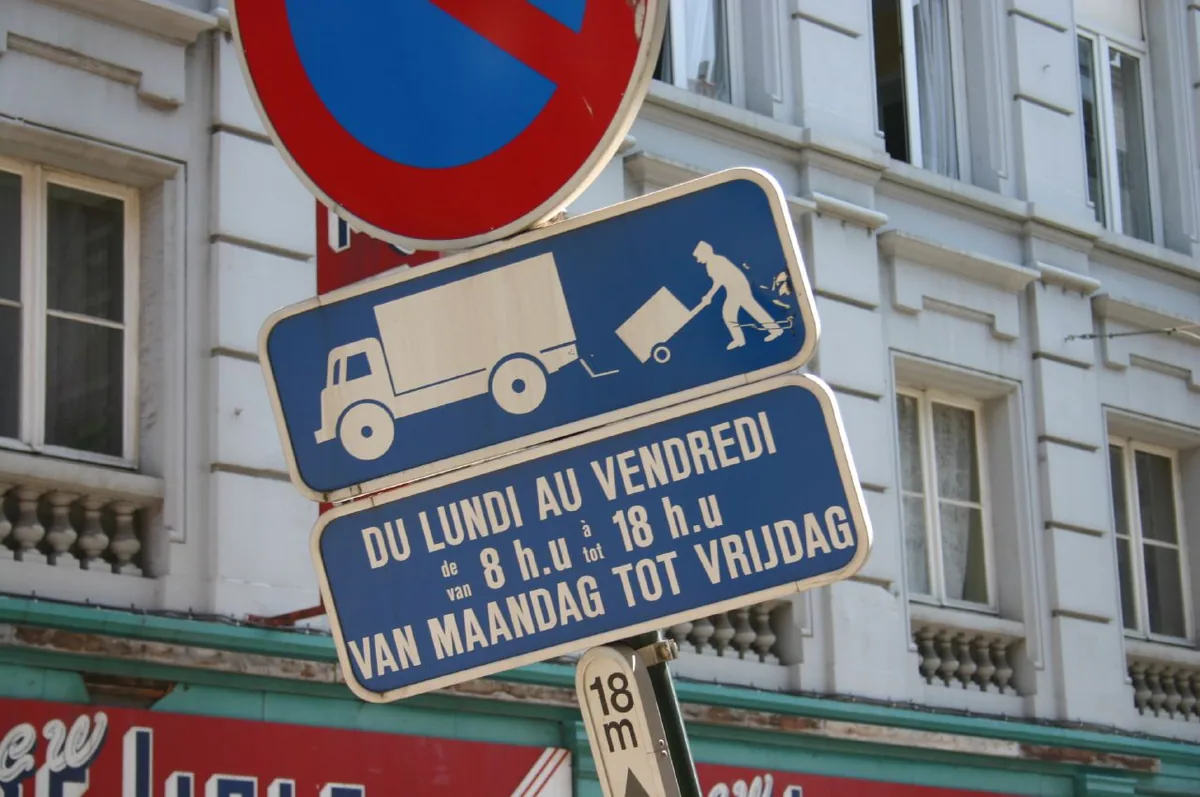
Belgium is not a one-language country but a country of four legal language areas, with Brussels operating as the bilingual exception.
The Legal Map Of Belgium
Belgium’s language system is defined by its four official linguistic regions: the Dutch-speaking region, the French-speaking region, the bilingual Brussels-Capital region, and the German-speaking region. Unlike its three political regions—Flanders, Wallonia, and Brussels—Belgium’s language framework is based on these four distinct linguistic areas.
The Belgian Constitution officially designates the country into these four language regions, each with its own primary language and, in some areas, shared status. This constitutional structure is intended to respect the linguistic diversity within Belgium, with each region having its own official language for legal, educational, and administrative purposes.
Dutch in the North
In the northern part of Belgium, known as Flanders, Dutch is the official language. This extends to the administrative region of Flanders, which includes the majority of the territory north of the line drawn parallel to the French border with Belgium.
Travelers and visitors to the northern Belgian region should expect to encounter Dutch in all official documents, public signage, and educational materials. While many residents in Flanders may also speak French, the official status of Dutch is clear in this region.
French in the South
The southern part of Belgium, known as Wallonia, is the French-speaking region. French is the official language in the Walloon Region, covering a large part of the southern portion of the country. Just as in Flanders, the official and administrative language throughout Wallonia is French, used in government, education, and the legal system.
Tourists and business visitors to the Wallonia area should take note that, unlike in Flanders, the primary language of their surroundings will be French. Whether attending a university, navigating a public office, or reading official notices, French will be the dominant language of use.
German in the East
The German-speaking region of Belgium is the smallest of the four language areas, consisting of nine municipalities located on the border with Germany. Located in eastern Wallonia, these municipalities recognize German as an official language, on the same level as Dutch and French. This recognition applies to education, legal proceedings, and official governance within the German-speaking community.
For those traveling to the German community municipalities and expecting French or Dutch, the recognition of German as the official language is noteworthy. The constitutional preference for German in this area ensures that its language community’s unique needs are met, including German-language instruction in the local public school system.
Brussels As The Bilingual Exception
The Brussels-Capital Region is the only area where both Dutch and French share the same official status. As the seat of the federal government and home to the European Union's headquarters, the bilingual nature of Brussels is essential to its function as a center of international administration and diplomacy.
Placenames, administrative materials, and signage throughout Brussels employ the language of both French and Dutch to accommodate its bilingual status, setting it apart from the other regions. Education policies and legal matters are also required to recognize both languages in the capital region.
What Signs and Placenames Do
A visitor to any of the Belgian regions will find Belgian place names and signage follow the language rules of the local area. The Flanders region uses Dutch, the Wallonian region uses French, and nine German municipalities use German. Brussels is the exception, with bilingual naming in both Dutch and French.
This official practice of using different languages across the regions means a traveler will encounter different languages in public signs and place names, depending on what region they are in. Tourists and businesspeople traveling to one region or the other should be prepared for this practice.
Belgium, Four Languages, One Country
Belgium is a country of four official language areas, with a bilingual exception in its capital, Brussels. Understanding the constitutional recognition of these four language areas -- and what to expect in each -- is essential for visitors and business travelers to navigate the linguistic landscape of this small but diverse nation. Whether in the Dutch-speaking Flanders, the French-speaking Wallonia, the German-speaking municipalities, or bilingual Brussels, knowledge of these official languages and their designated territories will serve one well. This understanding is key to navigating Belgium’s complex linguistic tapestry and enjoying one's stay in this fascinating corner of Europe.
Where this sits in the Register
Written by the Linguasphere desk. Classification data referred to here comes from the Linguasphere Register — see sources and attribution.