
Two Sinitic languages that share a writing tradition but are not mutually intelligible: tones, vocabulary, where each is spoken, and why …
Guides
Plain explanations written by this desk, next to the Register data they draw on. 40 guides so far, in four sections.
How languages are grouped by descent, where the groupings are argued over, and how to read a classification when you meet one.
Two Sinitic languages that share a writing tradition but are not mutually intelligible: tones, vocabulary, where each is spoken, and why …
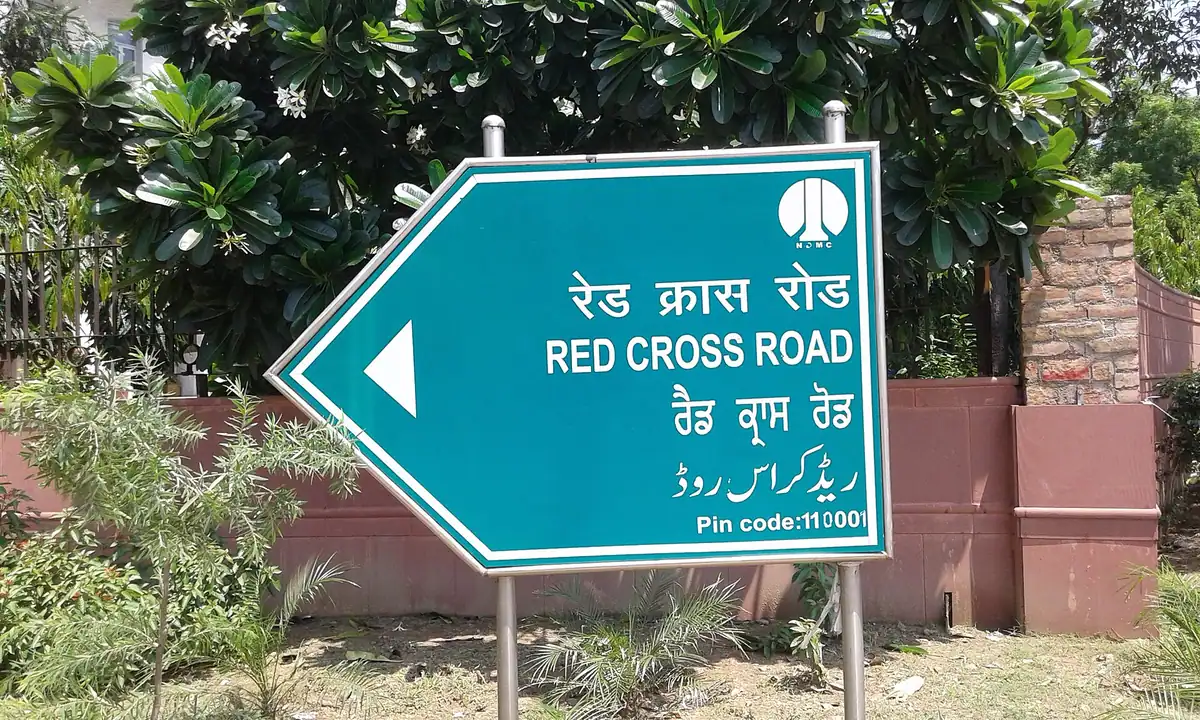
Why speakers understand each other in conversation but cannot read each other's newspapers, and where the vocabulary splits.
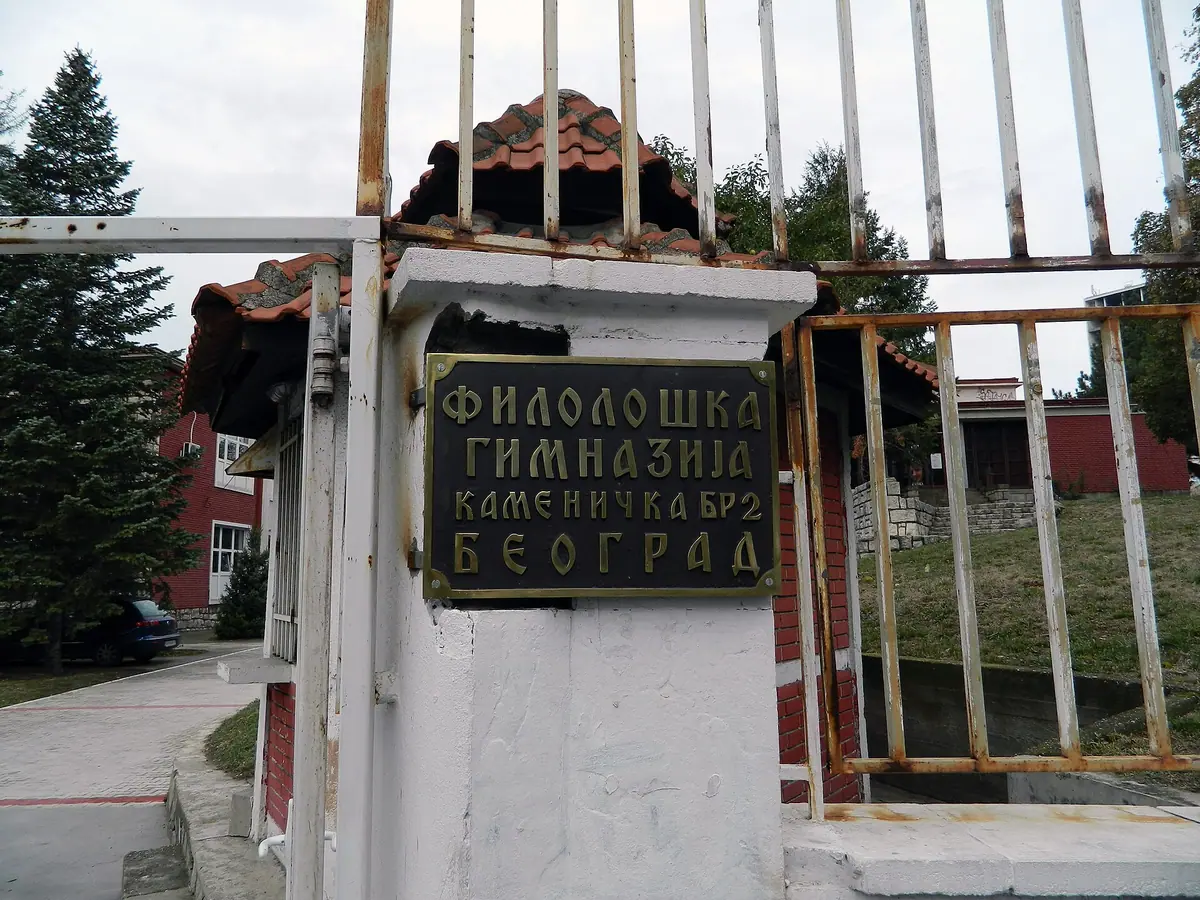
A single Shtokavian base split by script, standard and politics; concrete examples of the differences a learner meets.
All 15 guides in language families →
What the classification can tell you before you start: distance from your own language, hours, scripts and what the levels mean.

Pronoun systems, the seseo/ceceo split, vocabulary traps and which variety to study first.

Vowel reduction, pronoun placement, spelling agreement of 1990 and whether the two are interchangeable in study material.
The Foreign Service Institute category system: hours per category, what the categories are based on and where the estimate breaks down.
All 8 guides in learning a language →
Scripts, alphabets and the difference between a language and the way it is written down.
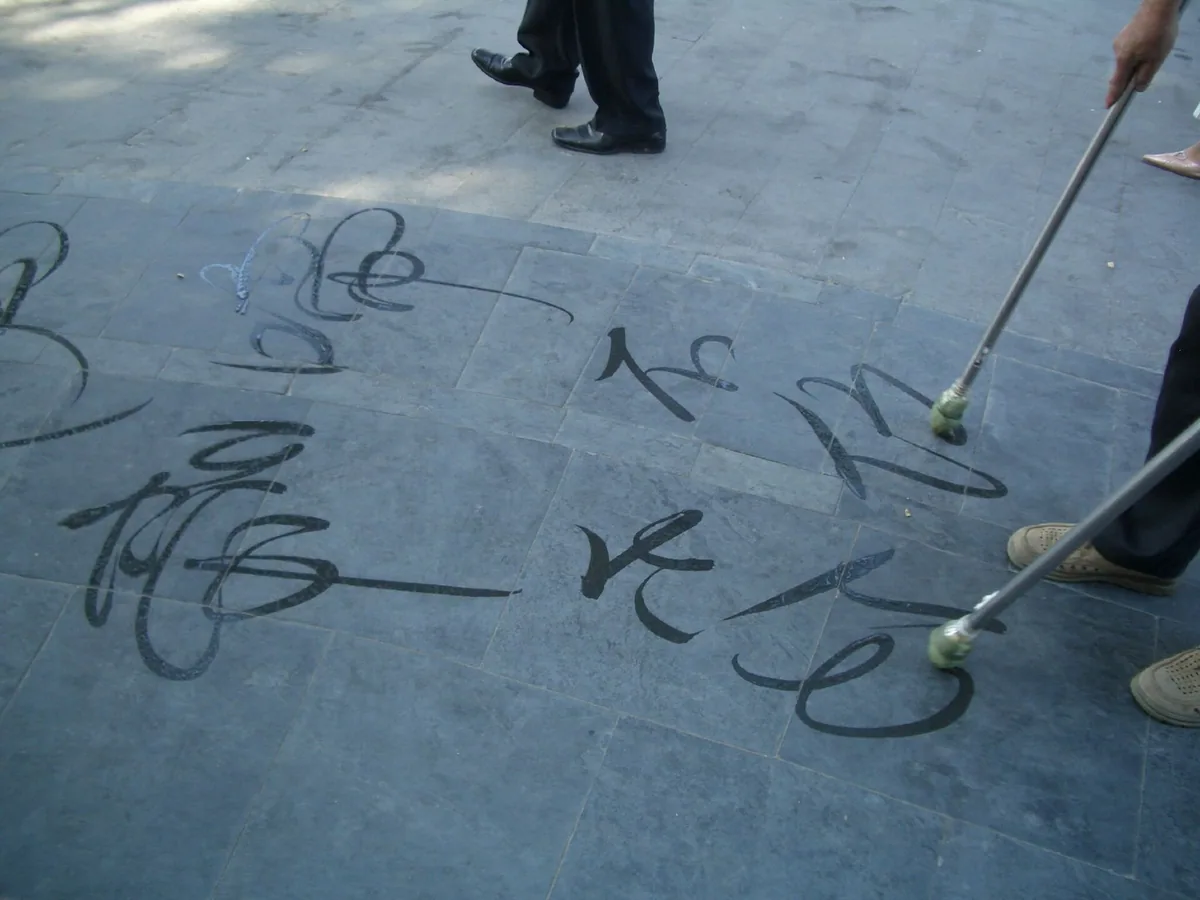
Where each is used, how many characters actually differ, and what it costs to switch later.

What each type encodes, one worked example each, and how to tell which you are looking at.

What kanji, hiragana and katakana each do in a sentence, and what happens if you drop one.
All 6 guides in writing systems →
Official languages, home languages, and what a country page can and cannot tell you.

De jure versus de facto status, national versus official, and countries that name none at all.
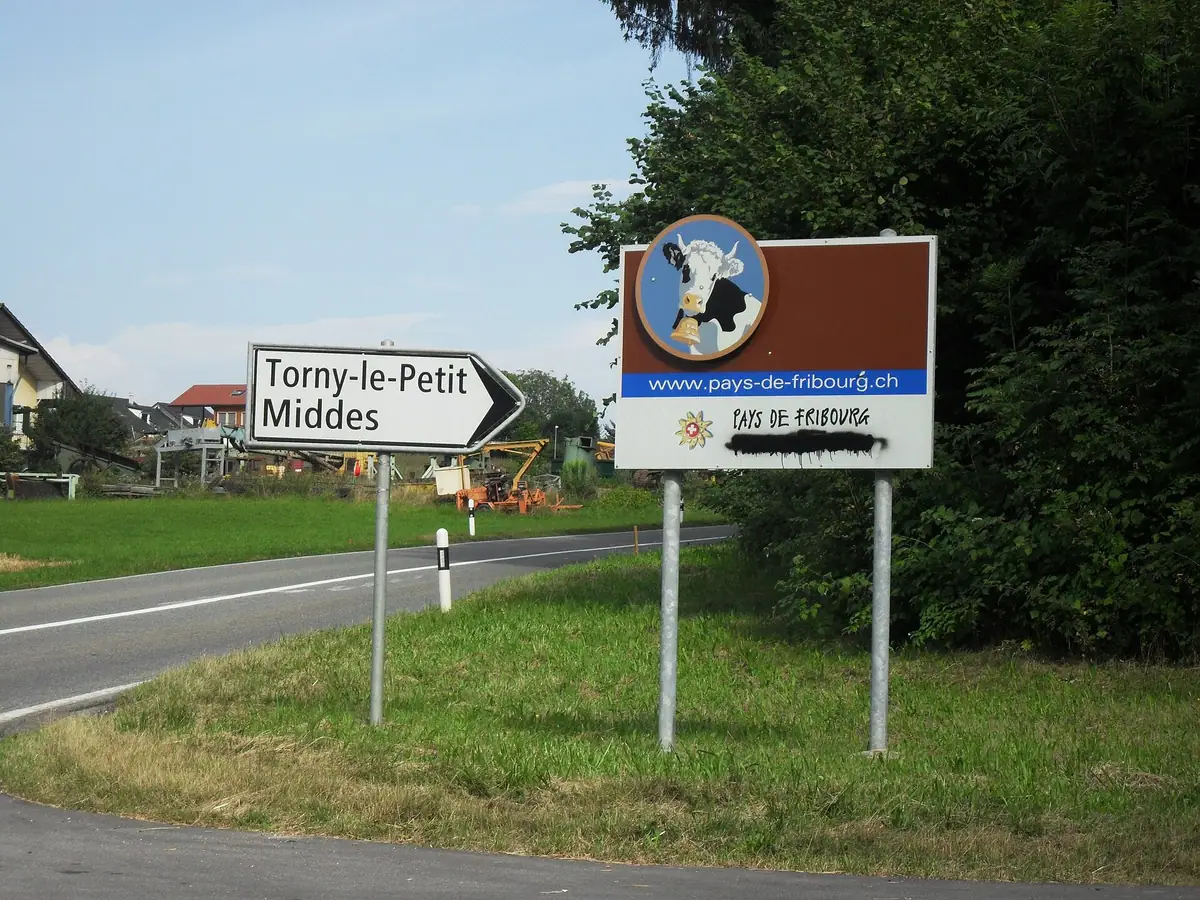
Four national languages, the cantonal map, Swiss German versus standard German, and what a visitor actually hears.
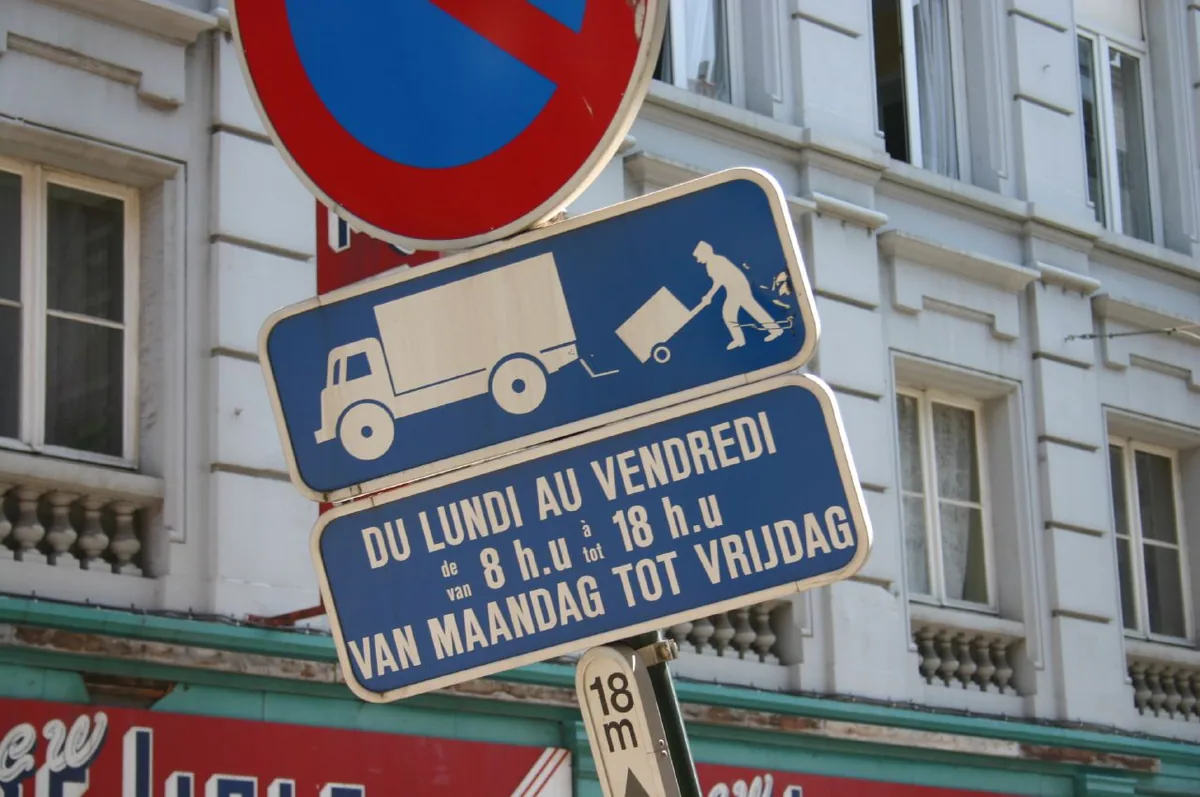
Dutch, French and German by region, Brussels as a bilingual exception, and how signage works.