Countries and speech
What Language Do They Speak in the Philippines
Filipino and English as official, the major regional languages, and code-switching in daily speech.
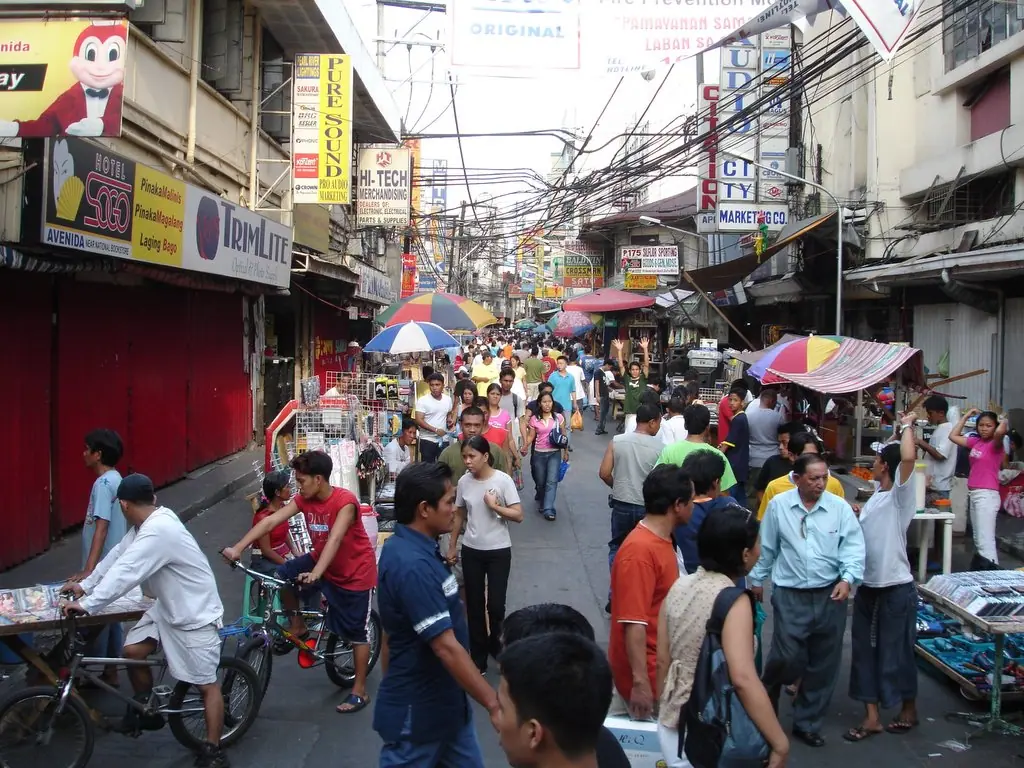
The Philippines is an officially bilingual nation, using Filipino and English as its official languages. The 1987 Constitution specifies that Filipino is the national language and shall be based on existing Philippine languages, while English remains an official language.
The Philippines is a multilingual nation—on paper, English and Filipino are its twin official languages, but in daily life, many regional tongues join the conversation in a mix.
[TO FIRST VERIFY: Explanation or statement quoting someone authenticating why Regional language mix is essential despite official language mandates that switch]Enshrined in the 1987 Constitution, Filipino is the national language of the Philippines, developed and enriched on the existing language foundations of its people. Meanwhile, English stands alongside Filipino as an official language for government, education, and communication. However, the Constitution recognizes that major regional languages also hold key roles as auxiliary official languages and media of instruction in their respective regions.
Ordering a meal in Manila, taking a bus from Balanga, or buying a snorkel in Boracay, you're as likely as not to hear some constant intertwining of Filipino and English—with snippets of Cebuano, Ilocano, or another regional language mixed in. This is called code-switching, a systematic alternation of languages in a single discussion documented as a feature of middle- and upper-class Philippine speech. Throughout the archipelago, multilingualism is the m.o.
The 1987 Constitution mandates this auxiliary status for major regional languages, Arabic, and Spanish in the Philippines, which serves alongside Filipino and English as media of instruction where spoken. However, the exact constellation of regional languages changes from place to place: Pampango and Tagalog are dominant in Central Luzon, while Hiligaynon is key across the Visayas and Mindoro island. As for the largest languages—Cebuano and Ilocano—together they reach many millions of speakers, though the intricacies of regional dialects mean they're not identical for communication across these regions, Cebuano, Hiligaynon, Ilocano, Kapampangan, and Pampango among them.
This current system didn't take shape overnight. 1937 saw the historic order of President Manuel L. Quezon appointing Tagalog as the basis of the national language, leading to the development of the Filipino language. Throughout the 1970s, Filipino was adopted as the national language while English remained an official tongue, and Spanish continued to hold official status for as long as important government documents remained untranslated. Spanish remains recognized as an official language for untranslated government documents.
You'll find this multilingual, flexible approach in the many regional languages still prevalent throughout the islands today. [TO THIRD VERIFY: tour guide, Filipino expert confirms what you'll likely hear where in the archipelago, both for government statements and daily speech] Of the official words on the shelf,you might hear Filipino first when watching national news, while English is the medium for government instructions, notices and court documents. At the same time, it's as likely everyday city residents start, pause or end their chatter with bits of Cebuano, Ilocano, or another regional language, creating a blend of code-switching. You'll see these regional languages in the music and festivals across the islands too - and spot them on menus as you try a new dish that brings you a sampling of the many cultures and countries that have influenced the Philippines through cuisines, languages and histories.
Where this sits in the Register
Written by the Linguasphere desk. Classification data referred to here comes from the Linguasphere Register — see sources and attribution.