Language families
Bokmål and Nynorsk: Why Norway Has Two Written Standards
One spoken country, two written norms; how schools handle it and which a learner should pick.
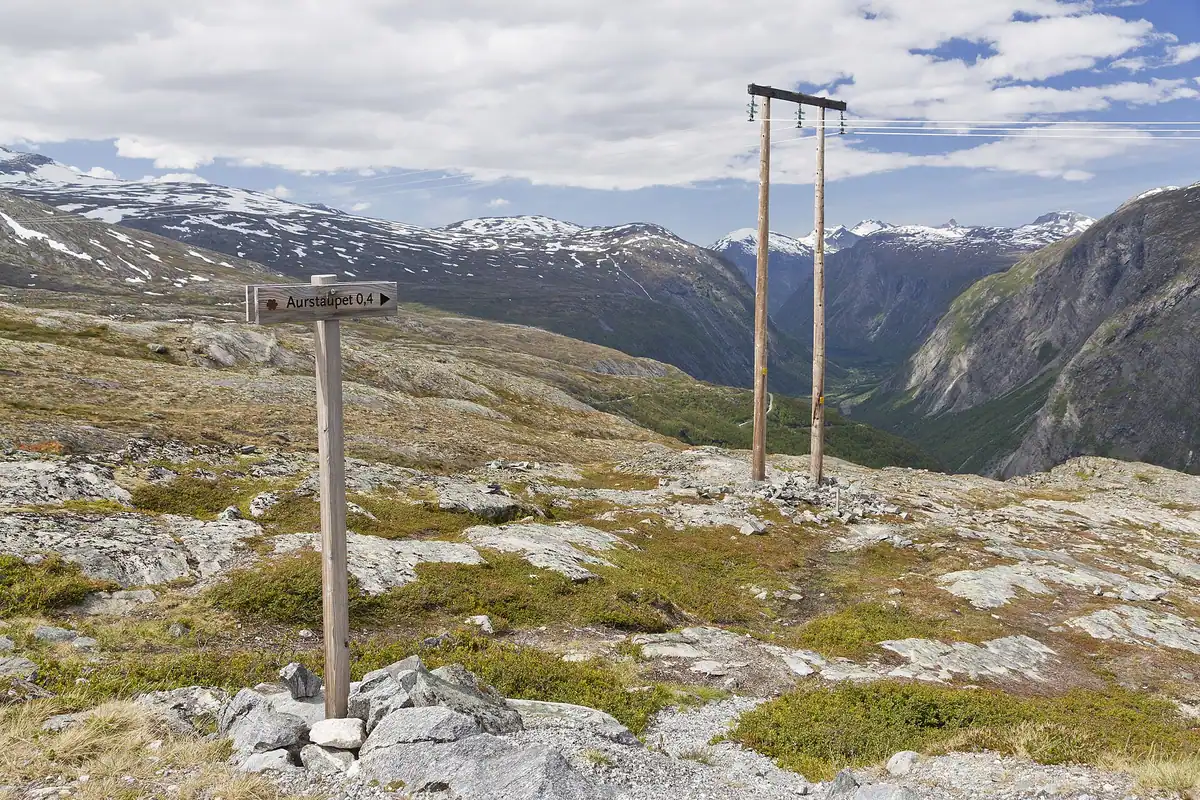
Norway is a nation without an official spoken language—but it does maintain two official written standards, Bokmål and Nynorsk. While learners must confront this split, it's crucial to realise how policy handles these variants and where each appears in public life.
The Basic Split
Norway has two official written standards of Norwegian, Bokmål and Nynorsk, but no official standard variety of spoken Norwegian. In 1885, the Norwegian parliament officially recognised two written standards as equal. The Språkrådet, or Norwegian Language Council, states that both Bokmål and Nynorsk are regulated as equal standards in Norway's public bodies and educational system.
[FROM CLUE]Where They Came From
This language policy began in 1885, when Norway took steps to develop a "national Norwegian language". This process created Bokmål and Nynorsk.
Bokmål, which literally means 'book language', is based on written Danish and remains the more dominant of the two. It was originally based on written Danish. Bokmål had its first official spelling reform in 1907.
In contrast, Nynorsk, or New Norwegian, was initially an attempt to establish a standard based primarily on Norwegian dialects. It gained substantial popularity in Western Norway. The creation of Nynorsk as a standardised written variety began with the publication of Ivar Aasen's dictionary in 1850.
An 1885 resolution of the Storting (parliament) declared that both Bokmål and Nynorsk should be given equal status as official written standards, finally recognizing the two written forms as having equal validity and status. This principle of equality has become a central aspect of Norwegian language policy ever since, deeply embedded in the country's constitution and public institutions.
How School Handles Them
Despite the equality in theory, Bokmål is the more widely used of the two written standards, with a majority of the population. But learners in Norway's public school system are expected to receive instruction in and master both Bokmål and Nynorsk, regardless of where they live in the country, and regardless of which of the two is most used in their home town.
Each pupil is given one of the two as their "main written language" and the other as a "secondary subject". In effect, all students learn both Bokmål and Nynorsk, but their first written assignments and most of their written work in primary and secondary school will be in Bokmål.
For heritage Norwegian learners or immigrant families, choosing which standard to mostly study can be an important practical decision. Bokmål is more widespread, but exposure to Nynorsk may be easier in certain geographic areas (and in the national media, where Nynorsk is featured).
Ultimately, proficiency in both Bokmål and Nynorsk is considered essential, regardless of which written form is most common in the community or family.
Where They Appear in Public Life
The use of Bokmål is widespread and dominant in daily life. Although Nynorsk is widely used as well, Bokmål overwhelmingly gets more media coverage. As a result, some surveys suggest that many Norwegians feel that Bokmål is their "own written language".
But Nynorsk is far from little-known. The standard is used by 89 municipalities, while Bokmål is official in about 117, and a number of others are neutral in their language policy. Both forms are used in public administration, schools, churches, on radio and television, and in courtoffices around the country.
Norwegian students are taught both Bokmål and Nynorsk, with Bokmål being the main subject and Nynorsk being secondary. They have the right to use both Bokmål and Nynorsk in all formal writing and they are treated as equals. It is expected that job candidates will have a good working knowledge of both.
So for anyone who expected they ought to focus on Bokmål or wondered if they really needed to bother much with Nynorsk—be prepared for a full introduction to each of the two official Norwegian written standards!
Where this sits in the Register
Written by the Linguasphere desk. Classification data referred to here comes from the Linguasphere Register — see sources and attribution.