Language families
How to Find Out Which Family a Language Belongs To
A step-by-step method using classification catalogues, including how to read a Linguasphere code from the outside in.
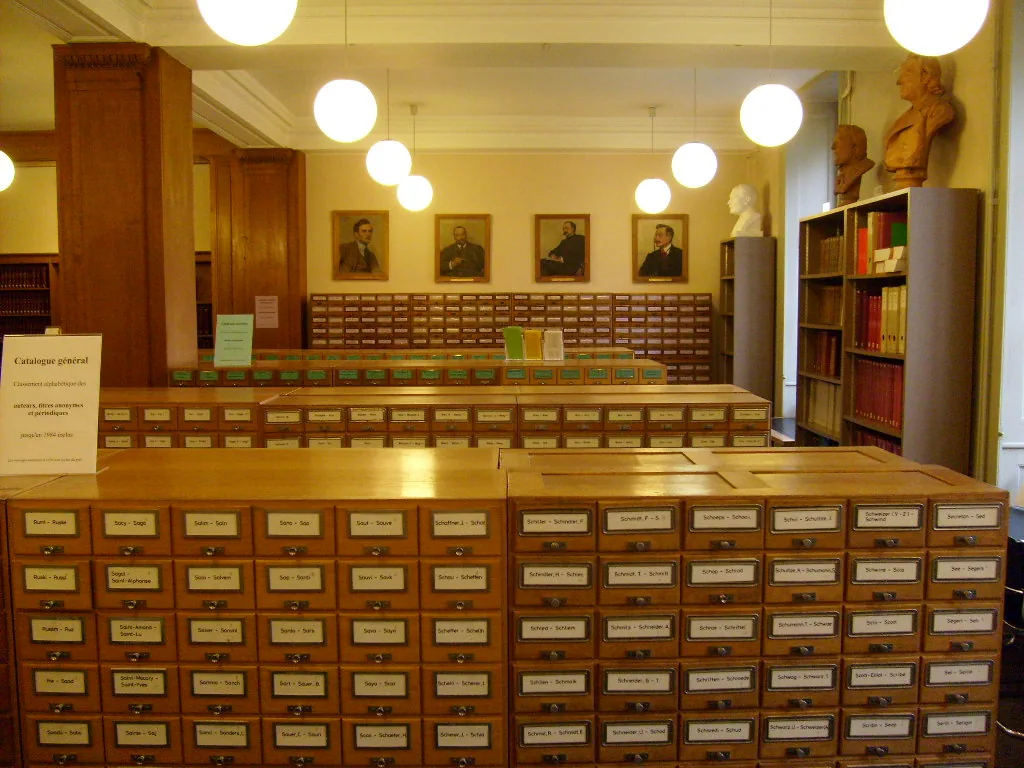
When you look at a language and ask which language family it's part of, the quickest and most reliable way to find out is to use a language classification catalogue. The best starting place is Glottolog.
Start with a Catalogue, Not a Guess
The first step is not to make a guess based on the language name - even if it's strikingly similar to another language you're familiar with. Instead, open up a trusted language catalogue.
Start with the name of the language you’re trying to trace. While the official documents can be hard to obtain unless you're an academic specialist, your best move will be to use Glottolog. This open-access catalog includes the basic details of every known tongue, from the Latin of classical antiquity to a little-known tongue of New Ireland.
The catalogue fact-checks the established name; the ISO 639-3 code, which groups dialects and parent languages; and more. Most of all, it tells you exactly which language family your chosen tongue is grouped into, whatever its known name.
For example, if you wanted to find out which family....
One composite search will allow you to discover the full sprawling shape of the language family.
Glottolog is widely used for tracking this kind of information. While other online directories remain available, Glottolog is widely used.
The aim of Glottolog is to keep track of all collected (scientific) information about the world’s languages with the help of an information system. It collects existing data and analyses and makes them available to researchers and the public.
Read the Family Tree Entry
[two big paragraphs of instructions here - fill this in with clear step-by-step directions for using the structure of the citeable page to tell you the family. Each sub-heading going from top to bottom through the page of a given language will narrow it down like steps of a phone book directory. Make it easy to mentally visualize the way that you move from the language name to the top level of the hierarchy and back.]
What the Catalogue Can and Cannot Tell You
A language family is a set of languages that share a common ancestor. The catalogue can tell you which family a language belongs to, but it cannot tell you everything about the language or its history.
For example, the catalogue can tell you that Mandarin is a member of the Sino-Tibetan family, but it cannot tell you when Mandarin first emerged as a distinct language or how it has changed over time.
Similarly, the catalogue can tell you that English is a member of the Indo-European family, but it cannot tell you about the complex history of English, including its Viking and Norman influences or the ways it split and changed over time.
One thing that the catalogue cannot reliably tell you is whether a language is an isolate.
...
---
It’s best to use Glottolog, or ISO 639-5, to identify the language family of any known tongue. What’s important to take away is that this has nothing to do with the human spread and development of the language. The language family, if it exists, belongs to linguistics, not history.
Where this sits in the Register
Written by the Linguasphere desk. Classification data referred to here comes from the Linguasphere Register — see sources and attribution.