Language families
What the Endangerment Levels of a Language Mean
Vulnerable, definitely endangered, severely endangered, moribund, extinct: what each label requires and who assigns it.
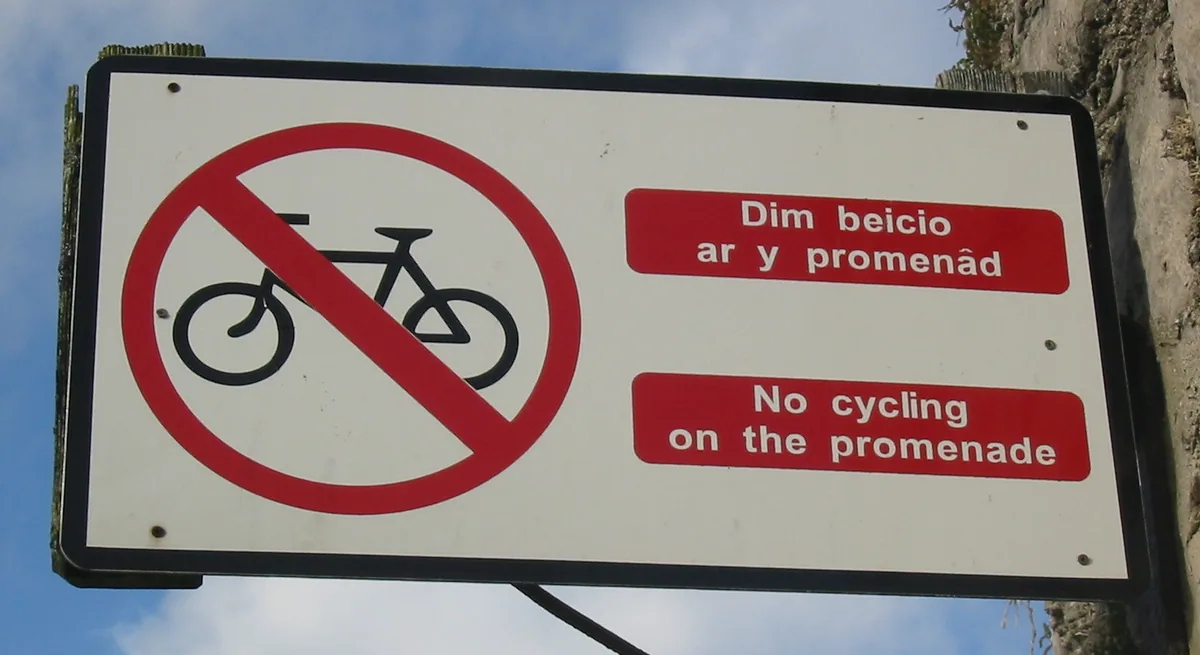
Understanding the endangerment levels of languages is essential in identifying which languages face the greatest risk of disappearance. The United Nations Educational, Scientific and Cultural Organization (UNESCO) has established a systematic approach to classifying languages according to their transmission status, rather than a vague cultural appraisal. The definitions are based on a speaker’s transmission: parents to children, and older generations to younger ones.
What UNESCO is classifying
UNESCO categorizes endangered languages based on their transmission status. The definitions are as follows:
- Safe: spoken by all generations, with uninterrupted intergenerational transmission.
- Vulnerable: most children speak the language but it may be restricted to specific domains like the home.
- Definitely endangered: children no longer learn the language as their mother tongue in the home.
- Severely endangered: only the grandparents and older generations; while the parent generation may understand it, they do not speak it to children or among themselves.
- Critically endangered: the youngest speakers are grandparents and above, and they speak the language partially and infrequently.
- Extinct: there are no speakers left.
The ladder from vulnerable to extinct
When UNESCO lists a language among those in danger, it assigns one of the above labels, with distinct meanings for each level. The transmission of the language from one generation to the next is the criterion that determines how endangered a language is deemed to be.
Vulnerable languages are spoken by most children, but use of the language is often restricted to the home. It's a warning sign that the language is endangered, but one that can still be reversed.
Definitely endangered languages are those which are no longer learned as a mother language in the home, meaning that children are growing up without acquiring the language from their parents. This signals a significant risk to the survival of the language.
Severely endangered languages are those spoken by grandparents and the older generation. Younger generations may still understand the language, but they rarely, if at all, speak it.
When a language reaches the critically endangered stage, it means the youngest speakers are the grandparents and above, and they only speak it partially and infrequently. The language is rarely passed on in the home, and young children don't acquire it anymore.
Extinct means no speakers are left. In UNESCO's Atlas, a language is listed as extinct if presumably extinct since the 1950s.
What the labels measure
The key factor that UNESCO’s categories turn on is intergenerational transmission. Each label in the scale from vulnerable to extinct is characterized by a breakdown in the transmission of the language.
At the vulnerable level, the language is spoken by most children, though it may be restricted to specific domains, such as the home. As the language loses ground, fewer and fewer children speak it, reaching the definitely endangered stage, where children no longer learn the language from their parents.
As the situation deteriorates, fewer speakers are left, with only the severely endangered language being used by grandparents and the older generation. The younger generations may understand it, but they rarely, if at all, speak it. The language is then reduced to being a second language to them.
In the critically endangered stage, the youngest speakers are grandparents and the older generation, and they only speak the language partially and infrequently, if at all. The language is seldom passed on, and young children growing up with it as a mother tongue are rare.
Finally, when a language reaches the extinct or presumably extinct stage, it means there are no speakers left. UNESCO's Atlas only lists a language as extinct if presumably extinct since the 1950s.
Who gets counted as endangered
The scale is widely applied, with UNESCO estimating that at least 43% of the world's languages are at risk. The highest categories of language endangerment are generally found among languages spoken by fewer than 100,000 persons, highlighting the importance of recognizing the unique identities and voices these languages represent.
What the labels do not say
It is important to clarify what the labels do not mean. They do not directly measure the prestige of a language, its vitality in all domains, or the identity of the community that speaks it. Instead, they reflect transmission: whether the language is still being passed on from one generation to the next, particularly from parents to children.
The labels do not reflect a language's worth or value. Nor do they necessarily reflect the number of speakers a language has at any given moment. Instead, they are a reflection of how well a language is being transmitted from one generation to the next, with each level representing a breakdown in intergenerational transmission.
Conclusion
Understanding the endangerment levels of languages, as defined by UNESCO, is crucial in identifying which languages are at risk of disappearing. The classifications range from vulnerable to extinct, with each level representing a breakdown in the transmission of the language from one generation to the next. The key to preventing language loss lies in supporting the intergenerational transmission of the language, particularly from parents to children.
Where this sits in the Register
Written by the Linguasphere desk. Classification data referred to here comes from the Linguasphere Register — see sources and attribution.