Language families
Serbian, Croatian and Bosnian: How Different Are They Really
A single Shtokavian base split by script, standard and politics; concrete examples of the differences a learner meets.
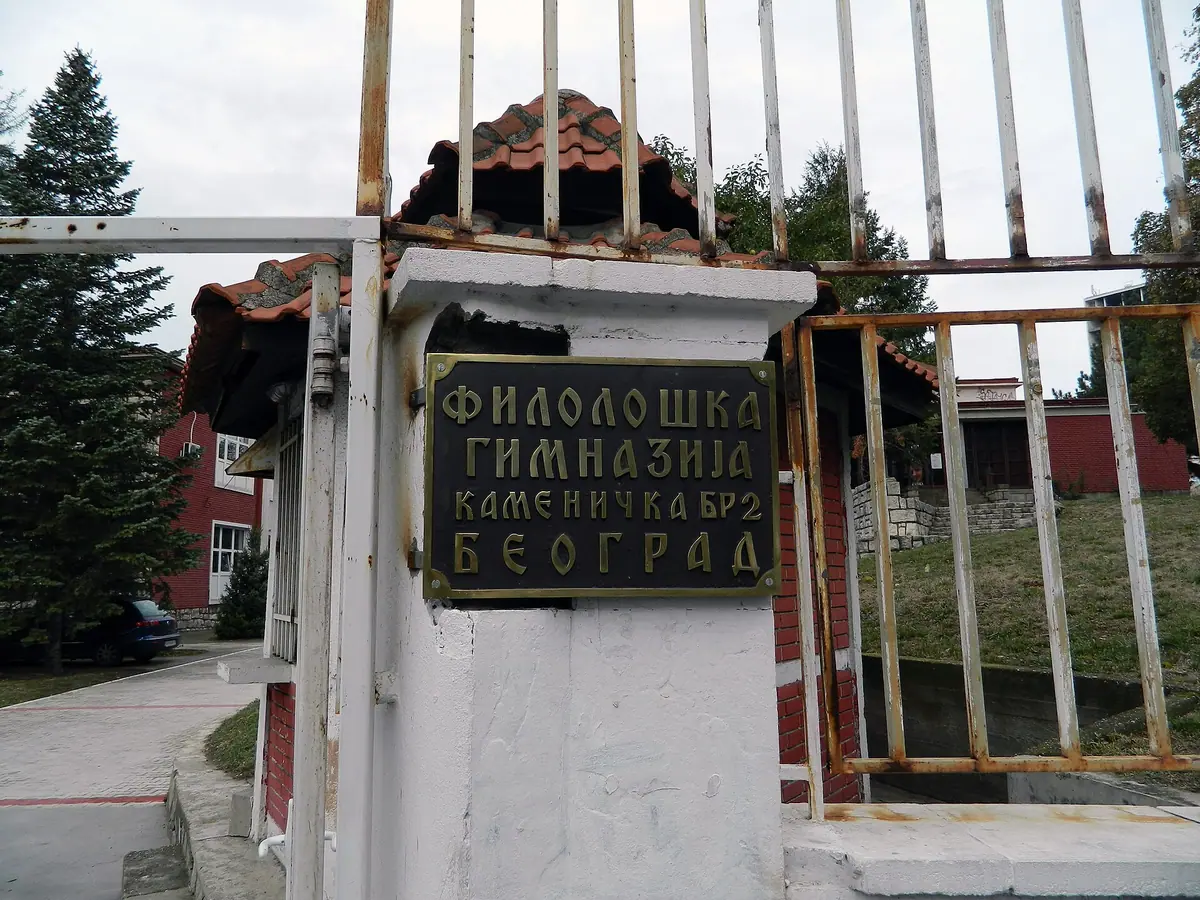
Language learners regularly encounter debates about how distinct certain dialects or standard varieties of a language really are. Else, this footnote should be noted after the section it appeared from here onwards.] Bosnian are a prime example. But how different do they actually prove to be, from a practical learner's perspective? The shared Shtokavian base means that the real differences are quite limited, with script and pronunciation the clearest dividers.
One base, three standards
At grassroots level, Serbian, Croatian, and Bosnian are all dialects of a single South Slavic dialect, Shtokavian. Revolutionary for learning scope, it means the core structure of each standard language is overwhelmingly common. Serbia, Montenegro, and Bosnia and Herzegovina feature Shtokavian entirely, and news flows freely between them. But this one root gives rise to three officially established standards, with Bosnian and Croatian coming in alongside Serbian ijekavian as official state languages of Bosnia and Herzegovina.
Script is the clearest visible divide
When a learner first encounters Serbian, they're likely to notice it uses both the Cyrillic and Latin alphabets. Bosnian mainly employs Latin, with Cyrillic constitutionally available, but rarely used. Croatian on the other hand uses only Latin. These splits cover most surface differences - pronouncing unfamiliar characters in a faithful rendition of the original sound. Bosnian Cyrillic is rarely used, so nothing like as intimidating a change as, say, between Croatian and Polish. This is usually enough to see learners diving straight in, confident they can comfortably take off for Croatia once Bosnian first stage is digested.
Pronunciation is the next big divider
Beyond script, learning Croatian and Bosnian phonology is the next priority. Serbian standard is predominantly ekavian, Bosnian and Croatian by an "i," a variant called ijekavian. But while Croatian and Bosnian have moved firmly in favor of ijekavian, Serbian also recognizes and accepts ekavian.
This can be abstract at start, but pronunciations usually catch on fast as they work into familiar words. As an English speaker, you already have an "e" sound: an articulatory approximation might be made between breaking, offend and re-en-act (vs in-act, subtract), so getting the gist is somewhat fluid for speakers of a related language like Croatian or Bosnian.
Vocabulary differs, but unevenly
The main lexical drift comes with purism movements: in Croatian's case, Serbian's. Serbian has been an early borrower from multiple European languages: you'd see parallels here with learning French or German through Latin.
Most dictionaries cover all three countries' usages, and most everyday words don't differ. Words more prone to differences were those associated with ideologies or institutions ― standard bureaucracies, for instance ― or which strictly aligned a word to an encoding pattern. Since even those entries inescapably meet up again, or cluster with very close almost-word clusters, the chances of misunderstanding a word on its utility items is low.
What a learner actually gains
This means that for tacitly picking up a Serbian, Bosnian, or Croatian grammar indirectly, each standard gives you indistinguishable access to the South Slavic Shtokavian case, stress, and core vocabulary. Even a dedicated Serbian studying the Cyrillic alphabet will mostly read older books in Bosnian or Croatian alphabets untouched. The most graceful start involves finding the books you most engaged, with in general, the knowledge learned being very mutable.
Where this sits in the Register
Written by the Linguasphere desk. Classification data referred to here comes from the Linguasphere Register — see sources and attribution.