Writing systems
Simplified and Traditional Chinese: Which One to Learn
Where each is used, how many characters actually differ, and what it costs to switch later.
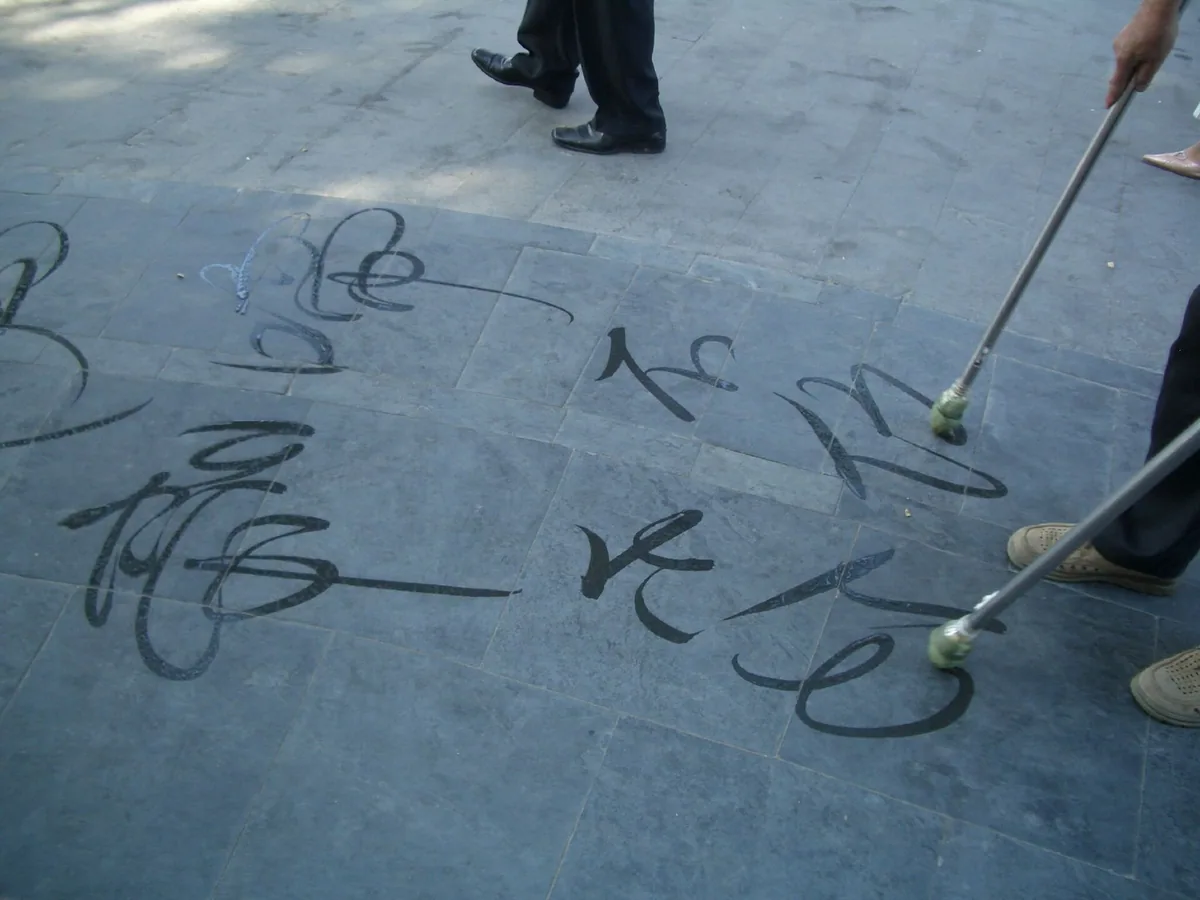
Learning Chinese can be a rewarding experience, but deciding between simplified and traditional characters can be confusing. The choice largely depends on your future goals, whether you'll mainly be interacting with people from mainland China, Hong Kong, Taiwan, or elsewhere.
Where each script is used
Simplified Chinese characters are the official standard in mainland China, as well as Malaysia and Singapore. Traditional characters are used in Hong Kong, Macau, and Taiwan.
How different the two systems really are
At first glance, simplified and traditional characters look very different. Simplified characters use fewer strokes, which makes them quicker to write. Traditional characters, on the other hand, preserve more complex original forms.
However, many characters are the same or only slightly different. Of the 288 most basic written characters, 197 are identical in both systems. Of the 8,105 standard characters in current use, less than a third were introduced by the 1950s simplification scheme. This means that much of the time, you'll be able to understand both styles.
What “switching later” actually means
The main argument for choosing one or the other is the hassle of switching later. Once you've gotten used to writing one style, switching can be awkward at first. It's not about relearning the characters, which are mostly the same. It's more about working with the motor habits and muscle memory you've developed. Plus, switching styles can be disorienting when you're just starting out.
If you're serious about learning to read, this is a practical issue. Full books are often only published in one style or the other, so if you want to do serious reading practice, you'll face the conversion. For fluency goals, no style is better, but for reading in Chinese it can matter.
What the standardization numbers imply
Don't let the high numbers fool you. While there are about 13,000 frequently used traditional characters, there's a big drop-off in how often they're actually used. Most messages and media are covered by a much smaller number.
In 2013, the PRC government standardized a "Table of General Standard Chinese Characters" that spells out the 8,105 characters used in China. This gives you a real number. It acknowledges that simplified characters are simpler, but it keeps the set small enough that you can get deep into the language with it.
Of those, only a fraction reflect the 1950s scheme from which the simplified system was originally built. This means that less than a third of the standard characters came from the simplification scheme. The content knowledge under their writing system is much closer to the content you'll get in traditional.
This means that there's not as much difference between the two systems as it might seem. Sure, you'll be learning slightly different habits, but the real wildcards are more about your input materials and your target region.
Recommendation by destination
All this adds up to one conclusion: the best style is the one that puts you in tune with the people you want to read. Learn simplified if your goal is mainland China, Malaysia, or Singapore. Learn traditional if you want to be part of the Hong Kong, Macau, or Taiwanese language scene.
Except in China, you can usually find things in both styles by doing a web search, so this isn't a hard choice. If you want to read in Chinese later, the side you pick is important.
Limits of the evidence
This article sticks to what is established in the sources. For practical concerns, the place you will mostly interact with Chinese counts. Anything about the learning advantages of one system or another will require more study.
Where this sits in the Register
Written by the Linguasphere desk. Classification data referred to here comes from the Linguasphere Register — see sources and attribution.