Writing systems
Why Japanese Is Written With Three Scripts at Once
What kanji, hiragana and katakana each do in a sentence, and what happens if you drop one.
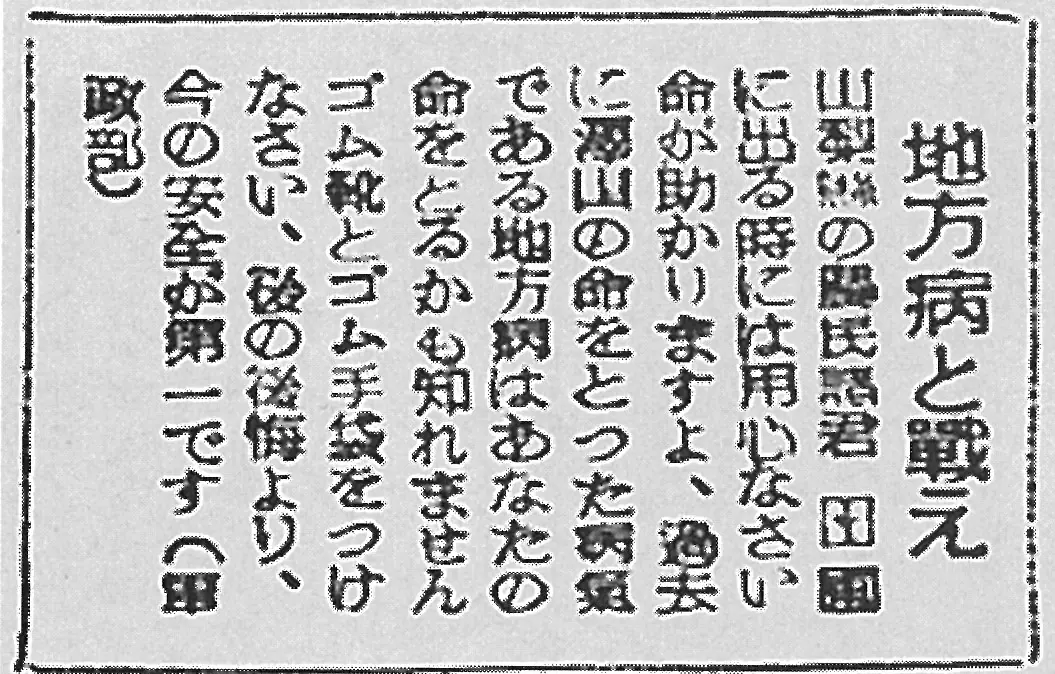
Japanese writing is unique in using three different scripts in the same text: kanji, hiragana, and katakana. Each script serves a distinct purpose, allowing Japanese to convey meaning, sound, and grammar efficiently on the page.
The Japanese writing system can be broken into three distinct scripts, each with its role: kanji, which carry lexical meaning, and hiragana and katakana, known together as kana, which handle grammatical elements and pronunciation. According to the Encyclopaedia Britannica, the Japanese language has incorporated three writing systems: kanji, hiragana, and katakana.
Script Roles in Japanese Writing
Kanji, integral to written Japanese, carry the bulk of the meaning. They are logographic Chinese characters, each representing a whole word or a concept, with their own meanings. Native Japanese speakers inherently understand the significance and nuance of these characters without necessarily knowing the formal reading. By contrast, the phonetic hiragana and katakana forms, traced to cursives or elements from Chinese, are syllabic, each representing one or a few sounds. Together, these kana allow accurate pronunciation and grammar, supporting the weightier kanji.
Physical scape of the scripts reinforces their roles. Kanji's more complex forms, packed with elements that can be read in multiple ways, symbolize the depth and flexibility of kanji's meaning. Hiragana and katakana's simple, straightforward designs efficiently carry sound and grammar in unmistakable font. So in an ordinary sentence, readers will find kanji forming the major landmarks of meaning, kana charting the journey of pronunciation and connecting these landmarks.
Why Kana Exist Beside Kanji
Kana developed as a phonetic complement to kanji, as information resides in sound as well as meaning. Fluent Chinese characters required months to master, according to Britannica, while kana, easier to learn and write, took as little as a few days to learn. As spoken Japanese evolved and developed, kana let Japan capture its sounds, allowing writers to reproduce dialogues and native vocabulary in a script that anyone could learn. Britannica states that kanji are heavily used in writing and are Chinese characters adapted for Japanese, while hiragana and katakana are the two scripts referred to as kana, and they are two versions of the same set of sounds in Japanese.
This division of labor remains in modern Japanese. Kana carries phonetics and grammar, guiding the reading of meaning-intensive kanji. Tae Kim’s Guide to Learning Japanese states hiragana is used mostly to write grammatical elements, such as inflectional verb endings, and sometimes native Japanese words. Kanji outline the page, establishing the literary foundation and global meaning, while katakana sashays through to control where the reader goes, emphasizing key points and pacing.
Katakana’s Separate Job
Katakana developed for the unique role of representing foreign words, or loan words from other languages. Katakana is mainly used to represent words imported from other languages. Britannica notes katakana is used to write scientific terms, official documents, and words borrowed from other languages. Many katakana words, settled in Japan but originated from elsewhere, were technological (like アルバイト, ''arubaito" for "part-time job") or culinary. So the script developed a special identity as a flag for words and phrases not of Japanese nature, and appears not just on imported terms but also on esoteric scientific terms.
What the Modern System Looks Like on the Page
The three writing forms together appear on the page, working as one to convey full meaning in Japanese. The government of Japan has established a set of commonly used characters known as Jōyō Kanji, and this list includes 2,136 characters. In modern written Japanese, all three systems—kanji, hiragana, and katakana—are used together. Detail-oriented Japanese writing tends to hold the reins, weeding out the most complex kanji so that the major kanji used by the public is standardized in the official Jōyō Kanji list. Japanese writing consistently combines the three scripts, with each serving its own significance.
What Readers Must Remember
Reading Japanese as one system requires readers to remember that kana and kanji are different systems of different functions, not alternatives in stages of adoption. And kanji belong to a writing system different from Japanese kana, so they have public documents where other consonants are attached to them; these characters share the kanji with historical forms of Japanese, but are not the same concept in the modern Japanese language. In the past, kanji and kana letters were bound by the concept of a "character," different characters being distinct graphemes, with defined relationships between usage and pronunciation determined by the government. So readers of Japanese text should not think of the scripts as interchangable versions of the same concept, or the kana as a simple phonetic map that can replace kanji characters, even if it can be overlaid onto the Japanese kanji system with similarities in usage.
How Unicode Has Affected the Japanese Writing System]: An example sentence of Japanese kana characters would ’pah’ sound inappropriate beside a kanji character, even if it’s the exact counterpart in the Japanese phonetic system.]
#Conclusions: How to Read Japanese Using Three Scripts
The Japanese writing system lets readers parse the script into its functions, making the information clear and the picture well-organized on the page. With these functional differences in mind, the Japanese writing system is a powerful tool that lets readers fully experience the original text, and without risk of overwriting the message.
To read Japanese, separate the kanji from the kana, and read their contributions to the text: Kanji convey the big picture, idea, and the association, while kana convey the lesson in a visual delivery, signifying distances or relations with the kanji (phrase enders, prepositions, grammatical markers and so on). And note your own reactions, to notice also the rhythm where the kata is used. Try to think about each kanji and kana part of Japanese writing as travel companions, with their own job or role on the map of Japanese language and culture.
Where this sits in the Register
Written by the Linguasphere desk. Classification data referred to here comes from the Linguasphere Register — see sources and attribution.