Countries and speech
How a Lingua Franca Forms — and How It Fades
Trade, administration and schooling as engines; worked cases from Swahili to Tok Pisin.
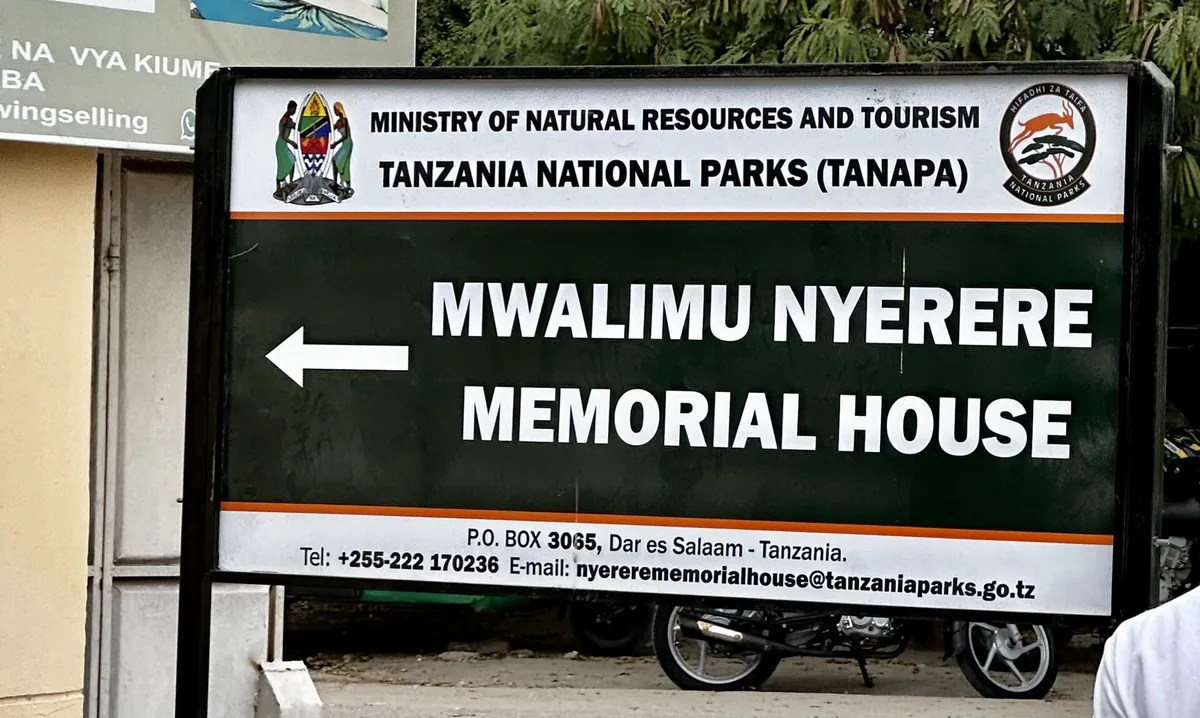
A lingua franca solidifies when trade, administration, and schooling repeatedly reward one shared code, and it weakens when official policy and education stop reinforcing it. The paths of two regional lingua francas trace that pattern: Swahili in east Africa, and Tok Pisin in Papua New Guinea.
Trade first, then power
Trade has a key role in pushing a shared lingo into a proper lingua franca*. "Swahili was propagated in Tanganyika by Muslim traders in the 19th century before gaining further administrative traction", notes research.
When the British consolidated Tanganyika, they quickly decided to use Swahili as a lingua franca, requiring government collaborators know the language. English and German were still needed for many administrative roles.
Meanwhile, up in Papua New Guinea, the code that became Tok Pisin formed among the mixed traders, laborers and administrations of colonial contact zones. It then became the language of New Guinea field administration, while overseers used English for commands in Papua.
Schooling turns a practical code into a public norm
The language of teaching tends to impose a code on broad demographics. Kiswahili became impermeable as mission schools there taught in the language. This was long after German became the upper-class tongue used for education in government schools.
That established a norm that still applies today, with Kiswahili the language used all the way from primary to the final year of Tanzania's secondary stage. All along this path, Swahili is compulsory and their ministry even sets to test children's literacy.
In 1984, the Tanzanian administration made Kiswahili a compulsory subject from years one to 12 and the language of instruction in secondary school.
Papua New Guinea worked on schooling a bit differently. Despite the language of colonial rule being English, mission schools taught in Tok Pisin and emphasized this language pattern.
Now, PNG still prizes local vernaculars, but English remains the nation's official lingua franca.
Administration decides whether the lingua franca scales
The modern state administers safaris and civilian operations in official codes. Where a given code becomes salient hinges on who adopts it.
During Australian rule in Papua New Guinea, Tok Pisin and Police/Hiri Motu were recognized as official lingua francas – even though English remained dominant in higher administration. In the long haul, policy has established English as the pulse of formal spheres there, analysis finds. The factories, courtrooms, and classrooms are dominated by English – but the government acknowledges that vernaculars hold public value.
In the East African Community, which includes Kenya, Tanzania, and Uganda, Kiswahili remains the official lingua franca for documents and agreements.
Swahili’s route to official status
Swahili has endured in Tanzania and become the East African Community's lingua franca, evolving from a 19th-century trade code to a full-fledged official language.
This language emerged in 19th-century trade, with traders exchanging goods along caravan trails and ships. It was later used in colonial administration and propagated by missionaries, who taught in it. This shareable, converged Swahili eventually shifted from a long-term national vehicle straight into an official one.
Tok Pisin’s different path
In Papua New Guinea, Tok Pisin is widely used and acknowledged as a national language, but the government operates in English, while local vernaculars are recognized in the constitution for their cultural value.
Official policies in Papua from 1942 to 1952 provide an astonishing snapshot of that linguistic status, with Melanesian Pidgin and Hiri Motu as the official lingua francas, and English reserved for the higher echelon where it had imposed before. During World War II English was maintained the dominant language for government, administration and commerce while the pidgin languages were the lingua franca for field administration.
What fading looks like
While a linguistic code can remain widely used, it may lose some administrative foothold. That's what happened to several pidgins in Papua New Guinea, sourcing indicates.
Even where English is used in clerical and military roles, Tok Pisin remains the cultural and administrative lingua franca of Papua New Guinea.
In Tanzania, Kiswahili as the lingua franca, has not so far experienced any pushback.
A lingua franca endures where trade is reinforced by administration and schooling, and fades when those supports are withdrawn or displaced by another official language.
Where this sits in the Register
Written by the Linguasphere desk. Classification data referred to here comes from the Linguasphere Register — see sources and attribution.