Countries and speech
Which Countries Have the Most Languages
The top of the list, why island and highland states dominate it, and what 'a language in a country' means in a catalogue.
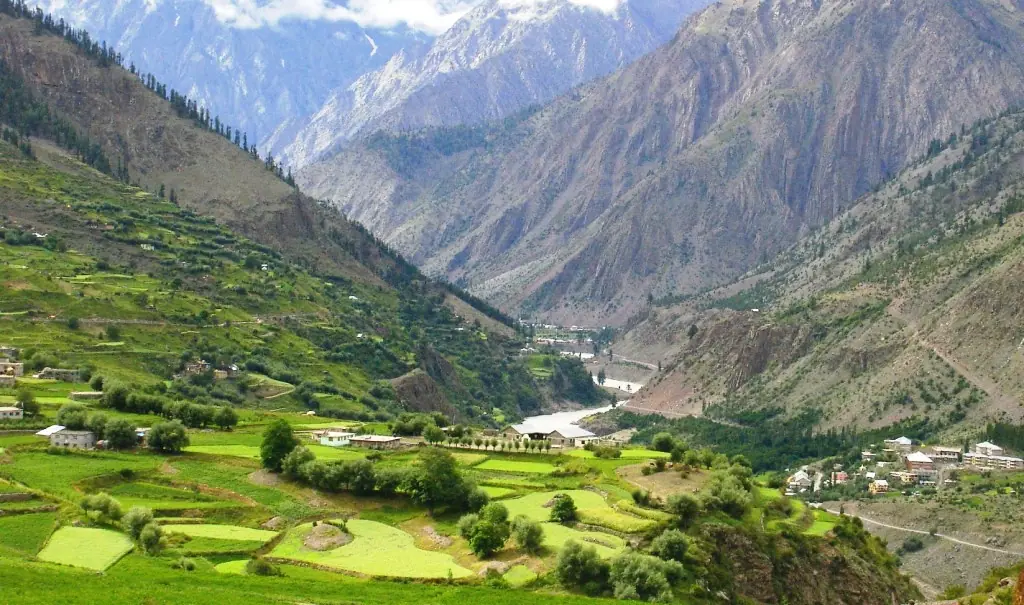
Papua New Guinea is the world leader in linguistic diversity, boasting 840 living languages--more than any other nation. The South Pacific island nation long ranks first in Ethnologue's count of languages worldwide, a count that Catalogs rather than polls country populations.
Indonesia comes in a distant second with 710 living languages, followed by Nigeria with 530, India with 453, and China with 306. Mexico, with 293, comes in sixth, while Cameroon, the United States, Australia and Brazil round out the top 10, holding 279, 236, 224 and 222 living languages respectively.
The ranking, which comes from the 2024 edition of Ethnologue's yearly tally, speaks to a country's diversity in human language. Ethnologue says its country language counts cover “242 countries” and includes “language counts, literacy rates, populations, diversity indices, and more.” A 2014 Ethnologue blog post said its database then contained “10,918 language entries” reporting on languages in “234 countries.”
While the list is important to understanding the world's linguistic diversity, it's worth underscoring that a language in a country is a catalogue entry, not a political or legal measure. The same language can and does appear in multiple countries, so the nation count should not be equated with a language census as such.
Another thing: the ranking in the Ethnologue, while based on the latest available data, is still told through a few numbers chosen to stand in for a fuller picture. The catalogue reports the same nation's language counts shifting from one Ethnologue issue to the next, so a country that appears in one report as having 840 living languages may be listed as having 841 its next turn or "over 800"--the numbers that are reported following the most recent tally by source or year. For example, a 2021 World Economic Forum item described Papua New Guinea as first with “840 languages spoken across the country” and Indonesia second with “711 different languages used throughout the country, whereas a 2023 World Economic Forum item repeated these nations' top-five placements, listing 840, 711, 517, 456, and the United States 328. Moreover, those first two spots--PNG and Indonesia--call out two other factors worth keeping in view. First, the nations that outrank larger nations in the race for most languages tend to be smaller--in terms of area, they capture just a fraction of Indonesia. PNG, for its part, is ranked 153rd globally by country size at 178,704 square miles (462,840 square kilometers. Second, the geographic counts that drive the rankings are almost always related to rugged, mountainous, or tropical-island geography. The PNG landscape is characterised by extensive, rugged terrain, with dense rainforests, five mountain ranges that exceed 10,000 feet in height, and around 8,000 kilometers of coastline. Similarly, Indonesia spans over 32 degrees of latitude, covering an area of 1,904,569 square kilometers, with more than 13,000 islands, of which 922 are permanently inhabited.
For these reasons, while these geographic factors provide an important lens for understanding the numbers, the globe is not just a ranking exercise, and speaking with a different language is not a matter of place, but a reflection of how you were raised, your parents, and everything around you. Hence what makes PNG a world leader--and what makes language itself so compelling--is less about geography than about the sheer diversity of ways humans have lived.
Where this sits in the Register
Written by the Linguasphere desk. Classification data referred to here comes from the Linguasphere Register — see sources and attribution.