
Two Sinitic languages that share a writing tradition but are not mutually intelligible: tones, vocabulary, where each is spoken, and why …
The Linguasphere Register sorts the speech of the whole planet into ten sectors, one hundred zones and 22 008 numbered entries. This site opens that register up: browse it by family, by country or by name, and read plain explanations of how the classification works.
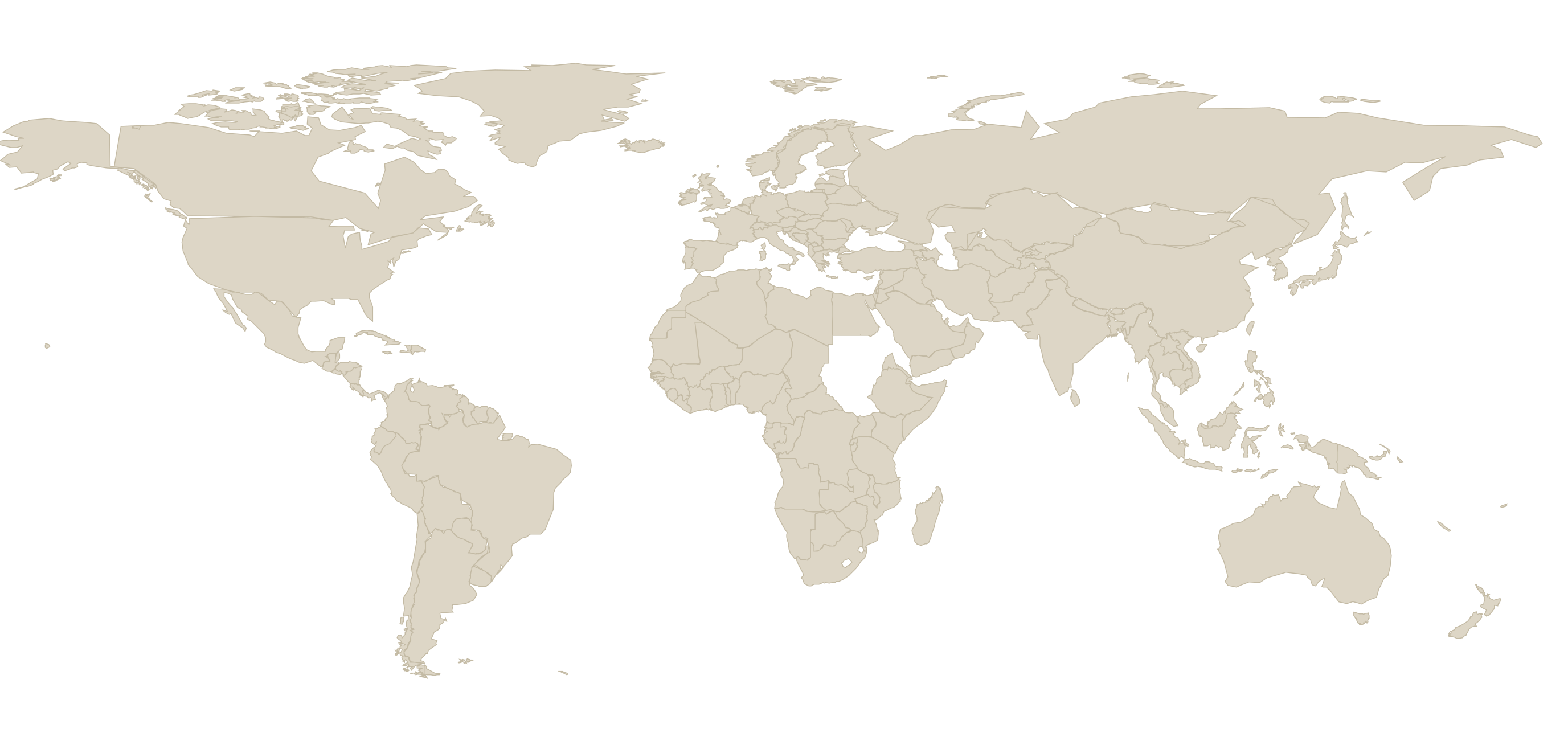
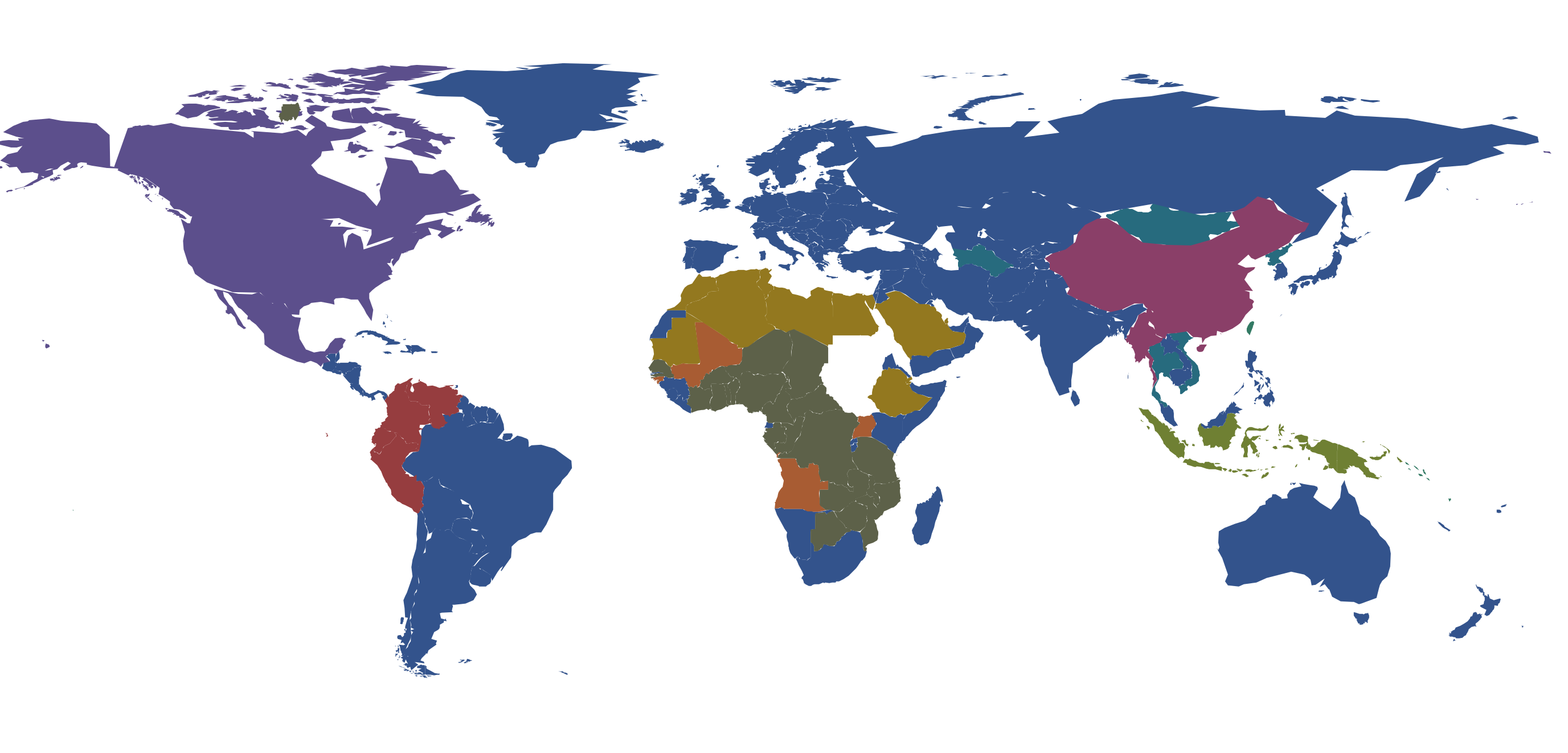
Ten sectors and one hundred zones, each opening into the sets, chains and nets below it.
By country229 countriesWhich Linguasphere entries the Register records for a given country or territory.
By nameIndex A–ZEvery named entry in the Register, alphabetically, with its linguascale code.
What the codes meanThe RegisterSector, zone, set, chain, net, outer and inner language — explained in order.
Five of the ten sectors group languages by descent (phylosectors) and five group them by geography (geosectors). The colour runs through the whole site: it marks which sector an entry belongs to.
Countries with the largest number of Register entries attached to them.
Nigeria39 entries
United States38 entries
India28 entries
Cameroon26 entries
China24 entries
Canada22 entries
Sudan22 entries
Indonesia21 entries
Russian Federation20 entries
France19 entries
Myanmar19 entries
All 229 countries and territories →
A code such as 53-AAA-eab is an address, not a label. The first two digits give the zone, the capitals narrow it to a set, chain and net, and the small letters reach the individual outer and inner language. Reading it left to right walks you down the family tree.
What each digit and letter of a code stands for.
GlossaryRegister termsSet, chain, net, outer language, inner language, variety — the definitions used by the Register itself.
About the RegisterBackgroundWhat the Linguasphere Register is, who compiled it and how this site uses it.
Written by this desk, alongside the Register.
Two Sinitic languages that share a writing tradition but are not mutually intelligible: tones, vocabulary, where each is spoken, and why …
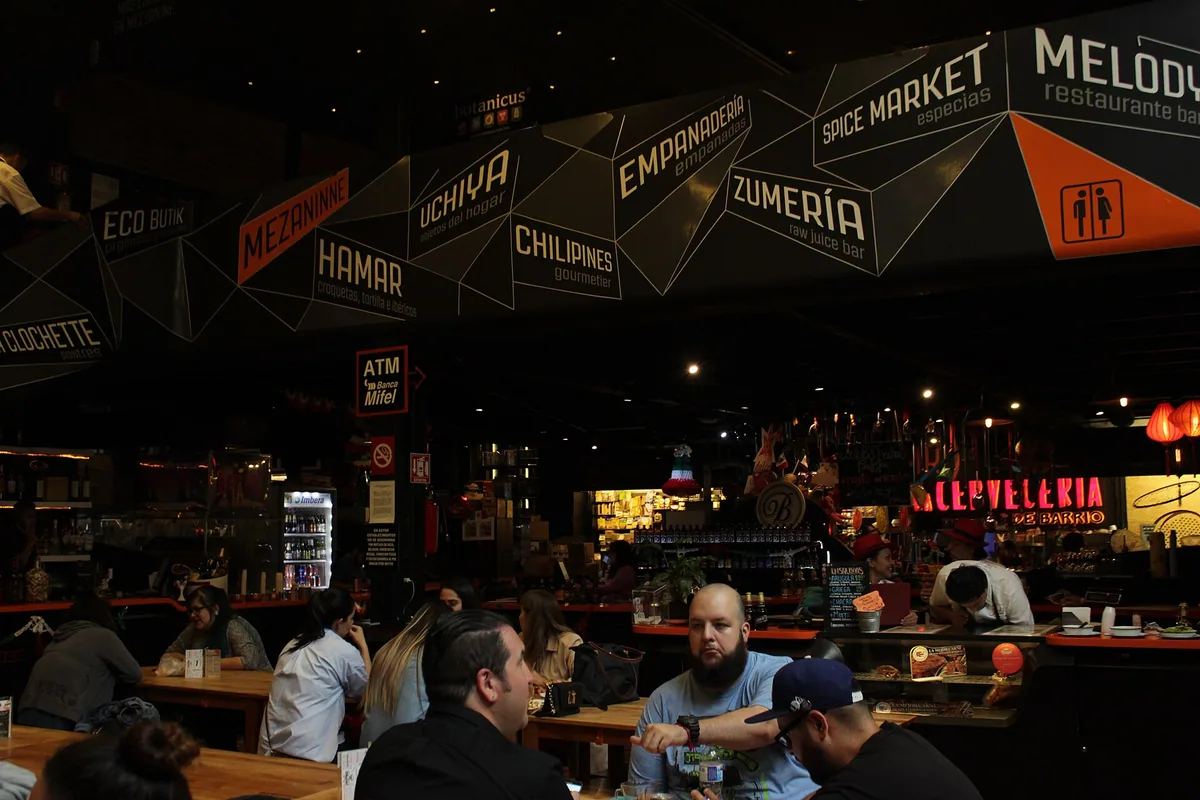
Pronoun systems, the seseo/ceceo split, vocabulary traps and which variety to study first.
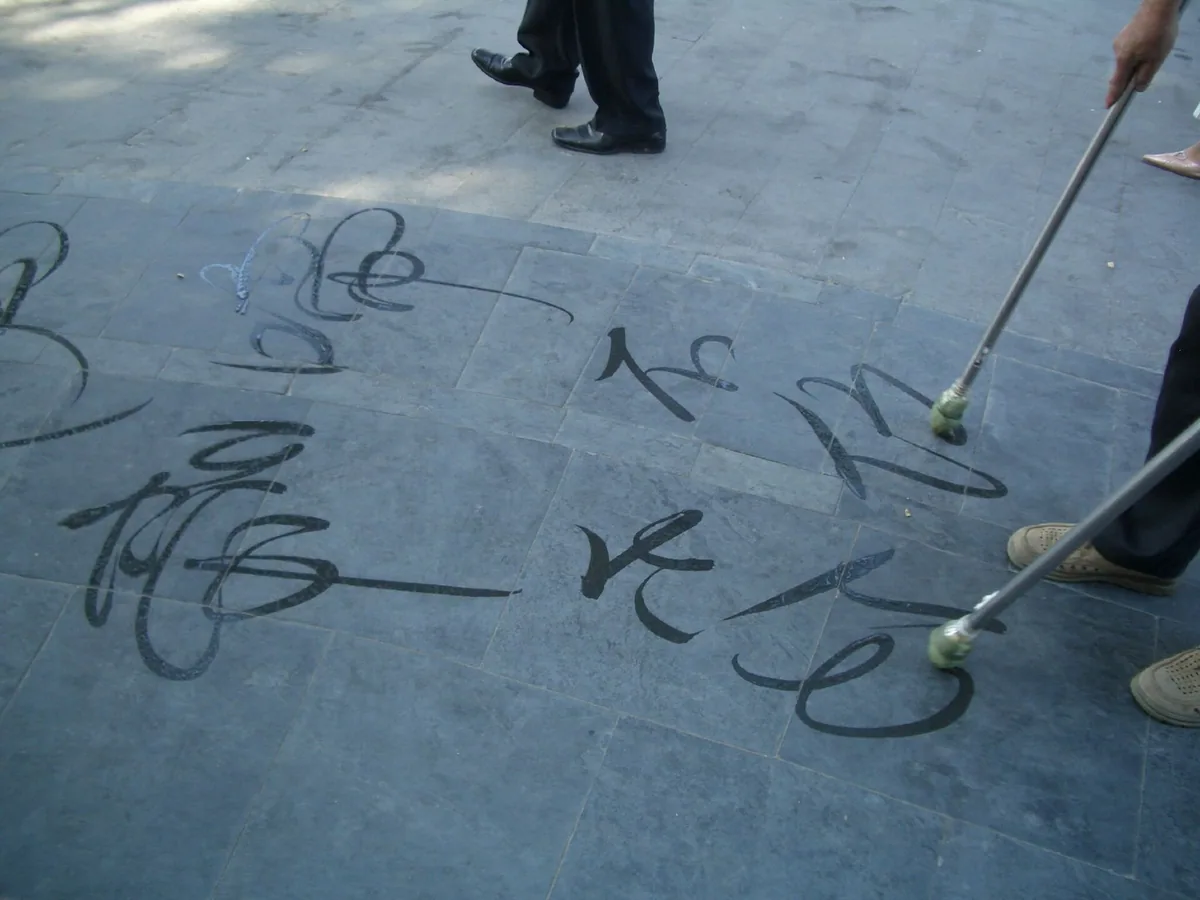
Where each is used, how many characters actually differ, and what it costs to switch later.
De jure versus de facto status, national versus official, and countries that name none at all.
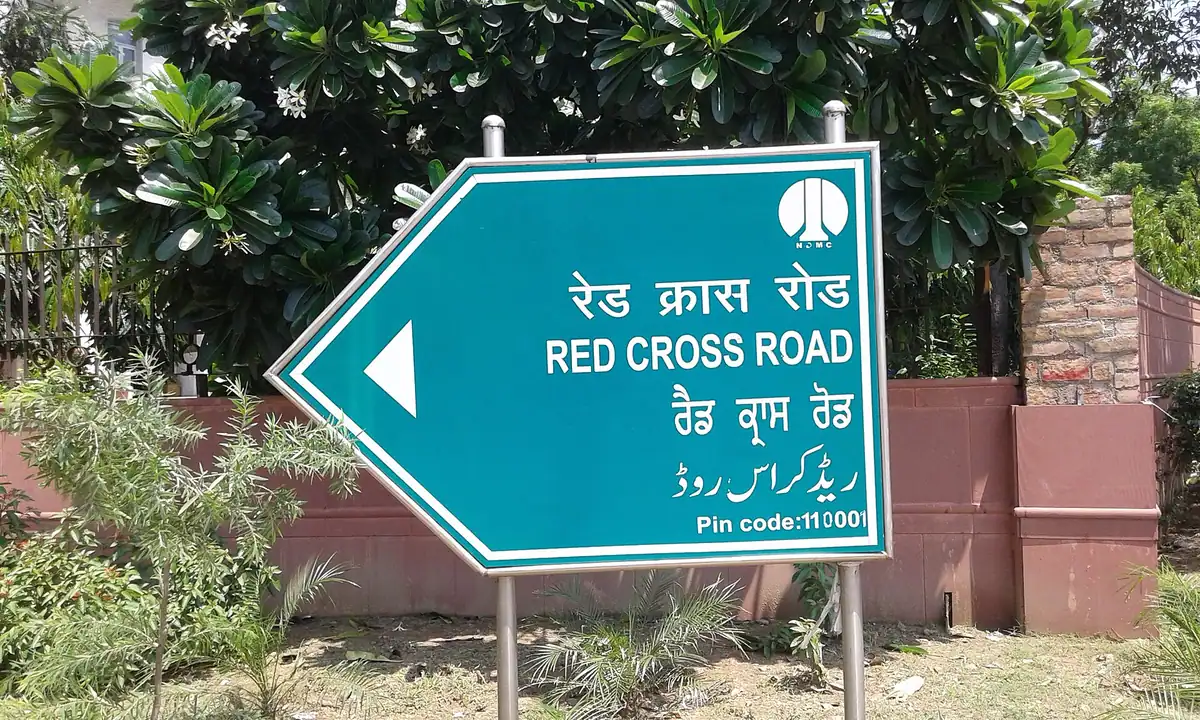
Why speakers understand each other in conversation but cannot read each other's newspapers, and where the vocabulary splits.
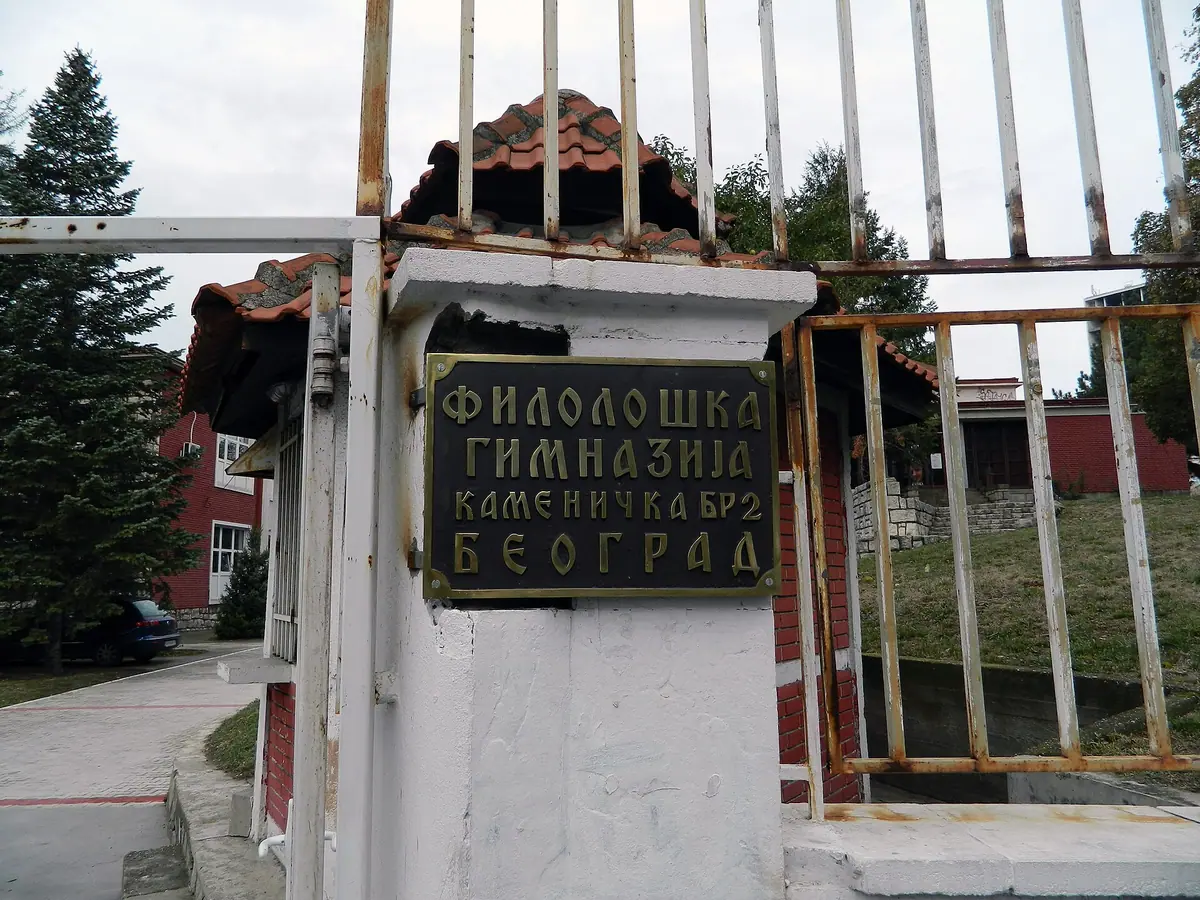
A single Shtokavian base split by script, standard and politics; concrete examples of the differences a learner meets.




Linguasphere.info is an online reference dedicated to the world’s languages and speech communities, offering the comprehensive Linguasphere Register with classifications, linguistic data, and research on thousands of languages and dialects. The website promotes multilingualism by providing educational resources, language indexes, and information about the global diversity and evolution of human communication. Interestingly, the localization of languages also shapes the digital entertainment industry, where platforms like Betum offer a multilingual mobile live casino experience, allowing users to interact with real dealers in roulette and blackjack directly from their smartphones.